You record a 90-minute investigative interview on Friday afternoon. Your editor wants key quotes for the Sunday edition, your podcast team needs timestamped clips for next week's episode, and your legal department requires speaker-identified transcripts for source protection. Which transcription platform actually handles this real-world media workflow?
After testing interview transcription tools across newsrooms, podcast studios, and video production teams for two years, I've found the choice between meeting-focused tools like Otter.ai, enterprise platforms like Trint, and AI-powered options like Scriptivox determines whether your team hits deadlines or scrambles for extensions.
What Is Media Transcription Software?
Media transcription software converts audio and video content into searchable text with features designed for journalism, podcasting, and content creation. Unlike basic meeting note-takers, these tools provide speaker identification, precise timestamps, multi-language support, and workflow integrations for content teams working under deadline pressure.
The global transcription market has grown rapidly, with speech recognition technology now achieving accuracy rates of 85-95% for clear audio. Media teams need tools that go beyond simple voice-to-text conversion to handle complex editorial workflows.
The Real Media Workflow Challenge
Most transcription comparisons focus on accuracy percentages and price points. But media teams face specific workflow demands that generic business tools can't handle:
Source Protection Requirements: Investigative journalists need guarantees that sensitive audio never trains AI models or gets stored in accessible formats. A single data breach can destroy source relationships and legal protections.
Multi-Speaker Content: Press conferences, panel discussions, and interview formats require reliable speaker identification. When three politicians debate tax policy, you need to know who said what without manual guesswork.
Content Repurposing Speed: A single interview becomes a written article, podcast episode, social media quotes, and video clips. Teams need timestamped segments they can extract and share across platforms within hours.
International Coverage: Global newsrooms handle content in dozens of languages. Auto-language detection and broad language support aren't nice-to-have features – they're operational necessities.
Platform Breakdown: Meeting vs Media Focus
Otter.ai: The Meeting Specialist
Otter.ai dominates meeting transcription because it solves a specific problem well. It joins your Zoom calls automatically, generates action items, and creates shareable meeting summaries across four languages (English, French, Spanish, Japanese).
For media teams, Otter's limitations become apparent quickly:
- Limited Language Support: Four languages won't cover international news coverage
- Meeting-Centric Features: Action item extraction doesn't help when you need timestamped quote segments
- Data Training Concerns: Standard plans allow de-identified audio to train AI models – problematic for sensitive sources
Otter excels at corporate environments where meeting notes and team collaboration matter most. Media teams often find themselves fighting against features designed for different workflows.
Pricing: Free plan with 300 monthly minutes, Pro at $10/month per user, Business at $20/month per user, Enterprise with custom pricing.
Trint: The Enterprise Media Platform
Trint targets large media organizations with enterprise-specific features. Their live collaboration system lets multiple team members verify quotes in real-time during press conferences. Data sovereignty options allow European newsrooms to keep content within EU borders for GDPR compliance.
Trint's strengths for media:
- Source Protection: Hard policy against using customer data for AI training
- Live Verification: Multiple team members can fact-check quotes simultaneously
- Newsroom Integrations: Connects with media asset management systems and broadcasting tools
- 50+ Languages: Broad international coverage
The trade-off is cost. Trint's enterprise pricing reflects features most solo creators and small teams never use. Their live collaboration shines in breaking news scenarios but adds expense for routine interview transcription.
Pricing: Quote-based enterprise pricing starting around $80/month for teams.
Scriptivox: The Modern Alternative
After testing both Otter and Trint extensively, I've found Scriptivox offers a middle path that addresses media team needs without enterprise overhead.
Key advantages for content creators:
- 100 Languages: Auto-detection covers international content seamlessly
- Speaker Identification: Automatic speaker detection with manual naming options
- Word-Level Timestamps: Every word gets precise timing for clip extraction
- No Training Policy: Audio never used for AI model improvement
- Content-Focused Export: SRT, VTT, and timestamped formats for video editing
What sets Scriptivox apart is the pricing model. The Pro plan at $10/month yearly provides unlimited transcription with professional features. Most media teams get professional results without enterprise contracts.
Pricing: Free plan with 3 daily transcriptions, Pro at $20/month or $10/month yearly.
Step-by-Step: Processing Interview Content

Here's how I handle a typical investigative interview using Scriptivox:
1. Upload and Configuration
I drag the MP3 file directly into Scriptivox's interface. The platform auto-detects the language (useful when sources switch between English and their native language mid-interview). I set speaker identification to "auto-detect" since most interviews involve 2-3 speakers.
2. Review and Speaker Naming
Within 4-5 minutes for a 60-minute interview, I have a full transcript with speakers labeled as "Speaker 1," "Speaker 2," etc. I rename them to actual names: "Reporter," "Source A," "Legal Counsel." This speaker identification proves crucial for attribution accuracy.
3. AI-Powered Analysis
Scriptivox's AI chat feature lets me ask specific questions about the transcript: "What are the three main allegations made by Speaker 1?" or "Find all mentions of financial irregularities." This speeds up the note-taking process significantly.
4. Content Extraction
For quote verification, I use the word-level timestamps to create precise clips. When the source says something newsworthy at 23:47, I can generate a 30-second audio clip with that exact timestamp for fact-checking.
5. Multi-Format Export
I export the full transcript as DOCX for article writing, SRT files for video subtitles, and timestamped segments for podcast editing. Having all formats available eliminates conversion steps later.
This workflow turns a 60-minute interview into usable content within 10-15 minutes of processing time. Compare that to manual transcription (3-4 hours) or basic AI tools that require extensive cleanup.
Security and Compliance Considerations
Media organizations handle sensitive information that requires specific security protections. Here's how each platform addresses these concerns:
Data Training Policies: Otter.ai uses de-identified recordings for AI improvement on standard plans (opt-out available for Enterprise). Trint and Scriptivox maintain strict no-training policies across all plans.
Storage Location: Trint offers EU/US data residency choice. Scriptivox stores data in the US with AES-256 encryption. Otter.ai uses US-based storage.
Compliance Certifications: All three platforms maintain SOC 2 Type II certification. Trint adds ISO 27001 certification. Scriptivox includes GDPR and CCPA compliance.
For investigative journalism or sensitive source protection, the no-training policies from Trint and Scriptivox provide necessary legal protections. Corporate meeting transcription can accept Otter.ai's standard terms.
Cost Analysis for Media Teams
Pricing structures reveal each platform's target audience:
Otter.ai: $0-20/month plans work well for individual reporters or small teams focused on meeting transcription. Limited features for content workflow.
Trint: Enterprise pricing (quote-based) includes advanced collaboration tools and integrations. Justified for large newsrooms with complex workflows.
Scriptivox: $10/month yearly ($20 monthly) provides unlimited transcription with professional features. Sweet spot for most media teams.
The key consideration isn't monthly cost but time savings. If a journalism transcription platform saves 2-3 hours per interview compared to manual transcription, the $10 monthly cost pays for itself with a single story.
When to Choose Each Platform
Choose Otter.ai if:
- Your primary need is meeting transcription and team collaboration
- Budget constraints limit options to under $20/month
- You work primarily in English, French, Spanish, or Japanese
- Source protection isn't a primary concern
Choose Trint if:
- You're part of a large newsroom with enterprise budget and workflows
- Live collaboration during breaking news is essential
- You need specific data residency controls for regulatory compliance
- Integration with existing media asset management systems is required
Choose Scriptivox if:
- You handle international content requiring broad language support
- You need professional transcription features without enterprise pricing
- Content repurposing across multiple formats is part of your workflow
- Source protection matters but you don't need enterprise-level features
Most independent journalists, podcast teams, and small media organizations find Scriptivox hits the functionality-cost balance they need. The free plan allows testing this workflow before committing to a subscription.
Making the Right Choice for 2026

The media transcription software landscape continues evolving rapidly. AI accuracy improvements and expanding language support make these tools essential for modern newsrooms. The choice between Otter.ai vs Trint depends largely on whether you need enterprise features or can work within meeting-focused limitations.
For most content creators, the sweet spot lies in platforms that offer professional features without enterprise complexity. The ability to handle multi-language content, provide accurate speaker identification, and export in multiple formats determines whether these tools enhance or hinder your editorial workflow.
As artificial intelligence becomes more prevalent in media production, choosing tools that respect source confidentiality while providing professional capabilities becomes crucial for maintaining editorial standards and legal protections.
Media Transcription Platform Comparison
| Platform | Languages | Pricing | Best For | Key Limitations |
|---|---|---|---|---|
| Otter.ai | 4 languages | $0-20/month | Meeting transcription | Limited languages, meeting-focused |
| Trint | 50+ languages | $80+/month | Enterprise newsrooms | High cost, enterprise complexity |
| Scriptivox | 100 languages | $10-20/month | Content creators | US-only data storage |
Frequently Asked Questions
About the author
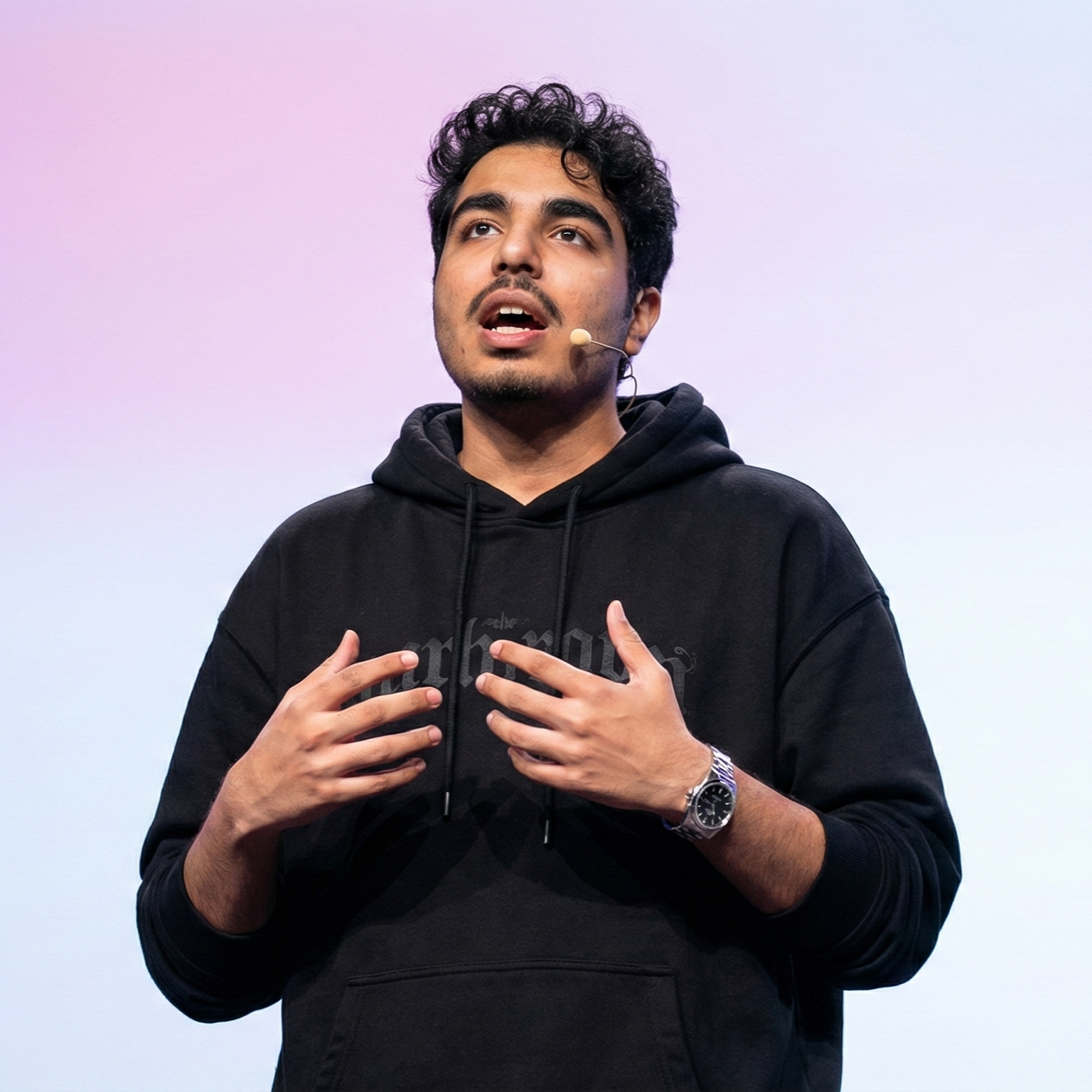
Abhishek co-founded Scriptivox and built its early optimization and scalability layer — the part that turns a working transcription tool into one that holds up under real load. Today he leads growth and marketing at Scriptivox. He writes about transcription accuracy, multi-language coverage, and what it takes to build an AI transcription product that stays fast and reliable as it scales.