Google Cloud Speech-to-Text handles basic transcription, but developers increasingly need better accuracy, lower costs, or features Google doesn't offer. After testing multiple alternatives with real-world audio, I've found five providers that consistently outperform Google's offering.
What Are Google Cloud Speech-to-Text Alternatives?
Google Cloud Speech-to-Text alternatives are AI transcription platforms that convert audio to text while offering better accuracy, pricing, or features than Google's service. Modern alternatives combine transcription with speech understanding capabilities like speaker identification and sentiment analysis through unified APIs.
Why Teams Switch from Google Cloud Speech-to-Text
The main drivers for switching include accuracy limitations on accented speech, lack of advanced features, and complex pricing. Google's separate APIs for different capabilities require multiple integrations where modern alternatives provide everything through a single endpoint.
Word Error Rate (WER) matters significantly when processing thousands of hours monthly. A 5% improvement from 15% to 10% WER means 5,000 fewer errors per 100,000 words. saving hours of manual correction.
1. Scriptivox - Complete Transcription Platform
Scriptivox stands out as a comprehensive audio and video transcription platform that handles everything from basic transcription to advanced workflow automation. I've tested it extensively with various audio types and consistently get accurate results with word-level timestamps.
The platform supports 100 languages with auto-detection, making it ideal for international teams. Speaker identification works reliably with up to 10 speakers, and you can rename speakers after transcription for cleaner outputs.
What sets Scriptivox apart is the combination of transcription accuracy with practical features. You get AI chat functionality to ask questions about your transcripts, automated meeting recording with Google Calendar integration, and customizable export formats including SRT, VTT, and CSV.
The free plan provides 3 transcriptions daily with 30-minute file limits. generous enough for testing. Pro plans start at $10/month yearly or $20 monthly, including unlimited transcriptions and API access.
2. Otter.ai - Meeting-Focused Transcription
Otter.ai specializes in meeting transcription with real-time collaboration features. The platform excels at live meeting notes with speaker identification and action item extraction. However, accuracy drops noticeably with background noise or overlapping speakers.
The free tier offers 600 minutes monthly, making it accessible for small teams. Paid plans start at $8.33/month with enhanced features like custom vocabulary and admin controls.
Otter integrates well with Zoom, Google Meet, and Microsoft Teams, automatically joining scheduled meetings. The mobile app provides decent on-device recording, though battery drain can be significant during long sessions.
3. Rev.ai - Developer-First API
Rev.ai targets developers with a straightforward API and competitive pricing at $0.02 per minute. The platform provides consistent accuracy across different audio types, though it lacks advanced features like sentiment analysis or automated summaries.
The asynchronous processing handles large batches efficiently, with webhook notifications when transcriptions complete. Custom vocabulary support improves accuracy on technical terminology, and speaker diarization works reliably for up to 6 speakers.
Documentation is thorough with SDKs in multiple programming languages. The testing environment lets you validate integrations before production deployment.
4. AssemblyAI - Advanced AI Features
AssemblyAI provides sophisticated AI models with features like content moderation, sentiment analysis, and topic detection built into the transcription workflow. The Universal-2 model delivers strong accuracy, while the newer Universal-3 Pro shows improvements on challenging audio.
Pricing starts at $0.15 per hour for Universal-2, making it cost-effective for high-volume applications. The platform includes $50 in free credits for testing. enough to transcribe over 300 hours with the base model.
Real-time streaming maintains sub-300ms latency, suitable for live applications. The LLM Gateway provides access to multiple AI models for post-processing transcripts with summaries and insights.
5. Whisper API - Cost-Effective Simplicity
OpenAI's Whisper API offers the lowest commercial rate at $0.006 per minute while maintaining good accuracy across 99 languages. The model handles multilingual content and noisy environments better than Google Cloud.
Limitations include batch-only processing (no real-time streaming), basic speaker identification, and no word-level timestamps. The API works best for straightforward transcription tasks without complex post-processing needs.
Self-hosting Whisper eliminates per-minute costs but requires significant technical expertise and GPU infrastructure. Most teams find hosted alternatives more practical despite higher costs.
Choosing the Right Alternative

Your choice depends on specific requirements and existing infrastructure. For comprehensive transcription with workflow automation, Scriptivox provides the best balance of features and pricing. Teams focused on meeting transcription might prefer Otter.ai, while developers building custom applications often choose Rev.ai or AssemblyAI.
Test accuracy with your actual audio before committing to any platform. Upload sample recordings that represent your typical use cases. meeting recordings, phone calls, or video content. and compare results across providers.
Consider total cost beyond per-minute rates. Poor accuracy increases manual correction time, complex APIs require more development effort, and missing features might force integration with multiple services.
Getting Started with Your Migration
Migrating from Google Cloud Speech-to-Text typically takes under an hour for basic implementations. Most providers offer migration guides and code examples to streamline the process.
Start by mapping your current Google Cloud features to the new platform's capabilities. Update authentication endpoints and adjust response parsing logic. Test thoroughly with edge cases before production deployment.
Modern alternatives often provide superior accuracy and additional features through simpler integrations than Google's multi-service approach. The time invested in switching usually pays off through improved transcription quality and reduced development complexity.
Google Cloud Speech-to-Text Alternatives Compared
| Provider | Best For | Pricing | Key Limitation |
|---|---|---|---|
| Scriptivox | Complete workflows | $10/mo yearly | 10 speaker limit |
| Otter.ai | Live meetings | $8.33/mo | Poor with noise |
| Rev.ai | Developer APIs | $0.02/min | Basic features only |
| AssemblyAI | AI-powered insights | $0.15/hour | Complex pricing |
| Whisper API | Cost optimization | $0.006/min | Batch processing only |
Frequently Asked Questions
About the author
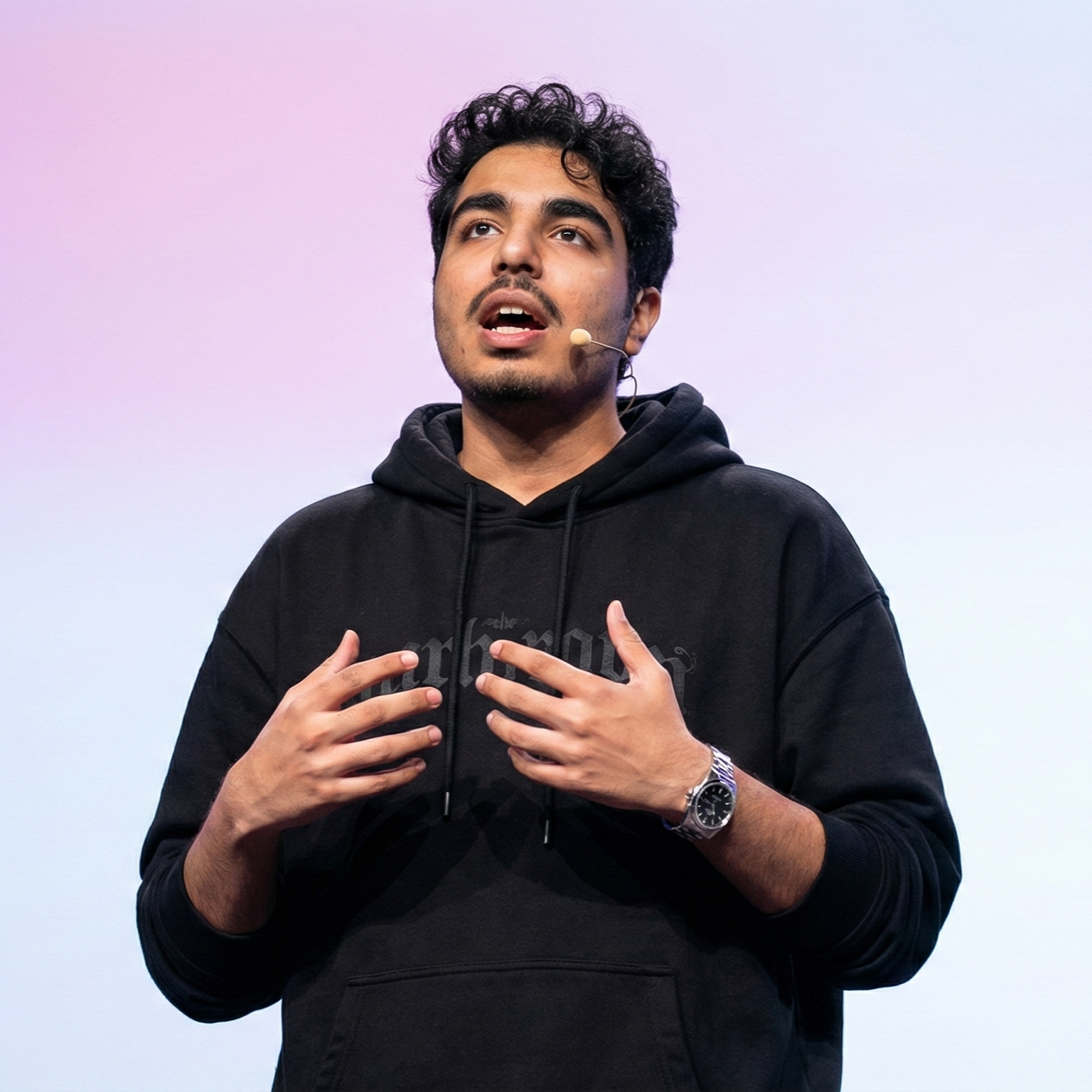
Abhishek co-founded Scriptivox and built its early optimization and scalability layer — the part that turns a working transcription tool into one that holds up under real load. Today he leads growth and marketing at Scriptivox. He writes about transcription accuracy, multi-language coverage, and what it takes to build an AI transcription product that stays fast and reliable as it scales.