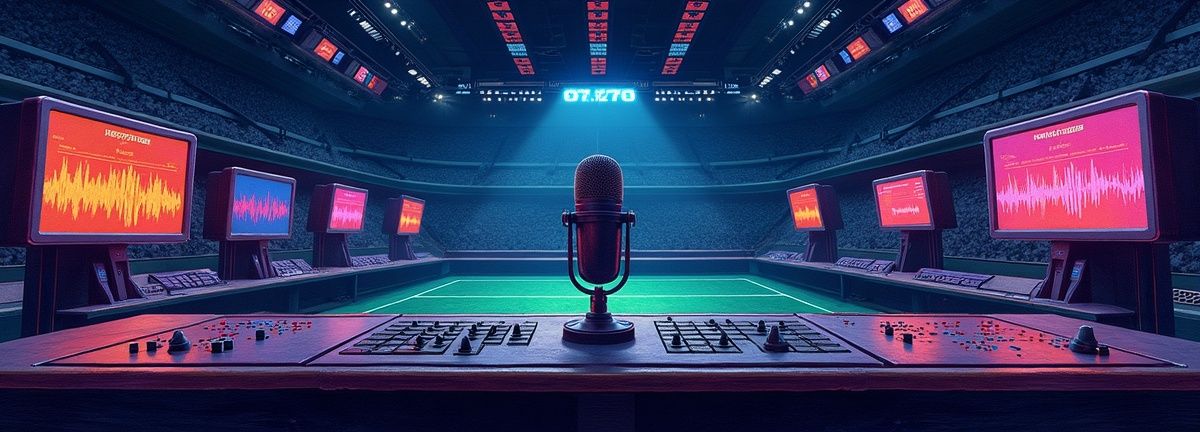
A Premier League club publishes 13,000 pieces of content per year across social channels. The NBA generates highlight packages within seconds of game moments. Major European teams translate press conferences into seven languages before players leave the room.
This isn't theoretical anymore. Sports organizations are using AI transcription to solve three critical problems: speed to publication, global audience reach, and content archive accessibility. The difference between teams embracing these tools and those clinging to manual workflows is becoming a competitive gap.
What Is AI Transcription for Sports Media?
AI transcription converts audio and video content into timestamped text automatically. For sports media teams, this means transforming interviews, press conferences, match commentary, and archived footage into searchable, editable, and translatable content within minutes instead of hours.
The Speed Problem: From Hours to Minutes

Most sports media bottlenecks happen at transcription. One Major League team told me their workflow involved a dedicated person spending eight hours daily converting audio to text. That's 2,000 hours per year on a task AI handles in minutes.
The stakes are real. Fans consume games through highlights more than full broadcasts, especially younger audiences. The window to capture attention shrinks every year. When Real Madrid's 170 million followers expect real-time updates, manual transcription becomes impossible.
Here's what the new workflow looks like:
Traditional Process:
- Record 45-minute press conference
- Send audio to transcription team
- Wait 3-4 hours for text
- Edit for social media quotes
- Translate key segments manually
- Publish 6 hours post-conference
AI-Powered Process:
- Upload recording to Scriptivox
- Receive timestamped transcript in 4 minutes
- Export key quotes with precise timestamps
- Generate translated versions in 15 languages
- Publish within 30 minutes
I've watched teams cut their time-to-publication from hours to minutes using this approach. The 80/20 rule applies: AI handles 80% of the heavy lifting, humans add the final 20% of editorial judgment and brand polish.
Breaking Language Barriers at Scale
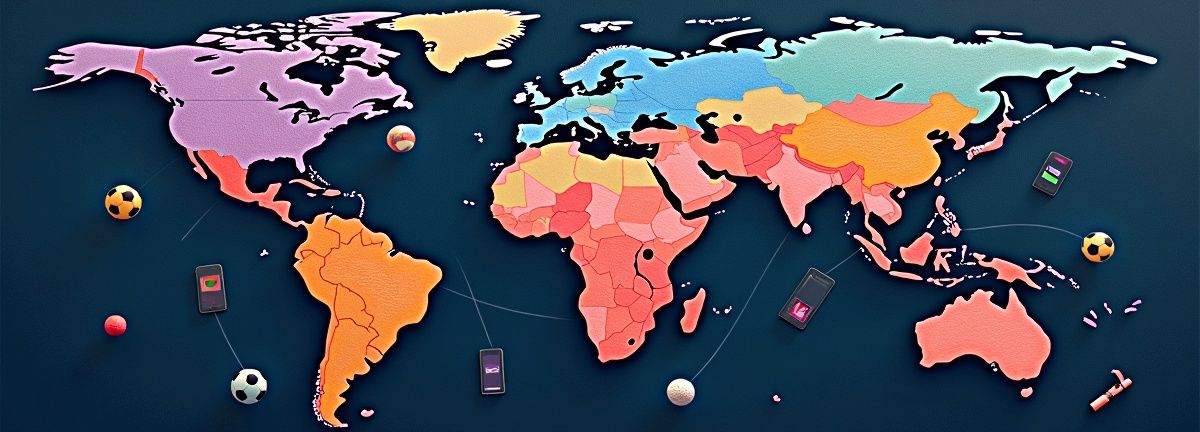
Top-tier sports rosters speak multiple languages by design. Chelsea's squad represents 15 countries. Barcelona conducts press conferences in Catalan, Spanish, and English. Reaching global fan bases means content in their native languages.
The math is brutal for manual translation. A club publishing 200 pieces of content monthly would need 1,200 translations to cover six languages. At $0.15 per word, that's $50,000+ monthly just for text.
AI changes the economics entirely. Modern transcription platforms detect language switches mid-sentence, transcribe accurately, and generate subtitle files in multiple languages simultaneously. I've seen teams go from English-only content to 10-language publishing without adding translation staff.
The technical capability exists today. Scriptivox supports 100 languages with automatic detection. Upload a multilingual interview, specify your target languages, and receive SRT subtitle files for each within minutes.
Unlocking Content Archives
Every major sports organization sits on thousands of hours of archived content they can't effectively search. Finding a specific quote from a manager's interview five years ago requires manual scrubbing through hours of footage.
This problem compounds over time. Formula One has 70 years of race coverage. The NFL has decades of press conferences, interviews, and game commentary. Without searchable transcripts, this content remains effectively inaccessible.
AI-powered indexing transforms archives into searchable databases. Index your historical content once, then search semantically: "Show me all instances where the coach discussed defensive strategy after losses" or "Find clips mentioning contract negotiations."
The workflow is straightforward:
- Batch upload archived audio/video files
- Generate timestamped transcripts for everything
- Use AI chat features to query your entire archive
- Export specific clips with exact timestamps
- Repurpose historical content for documentaries, social media, or fan engagement
One European club used this approach to produce a centennial documentary. Instead of months of manual review, they searched decades of interviews and found relevant clips in hours.
Tool Comparison: What Actually Works
Not all transcription platforms handle sports content equally. Here's what I've learned testing the major options:
Otter.ai excels at meeting transcription but struggles with crowd noise and multiple speakers. Sports interviews often have background noise, overlapping questions, and technical terminology that confuses their models.
Rev offers high accuracy through human verification but takes 12-24 hours for delivery. This timeline doesn't work for same-day content publishing or live event coverage.
Descript provides excellent editing features but limits file lengths and charges per hour of content. For teams processing dozens of interviews weekly, costs escalate quickly.
Trint handles multiple languages well and offers real-time transcription, but their speaker identification struggles with similar voices and accented English common in international sports.
Scriptivox balances speed, accuracy, and cost effectively for sports workflows. Word-level timestamps enable precise clip extraction. The free plan allows testing with real content before committing. API integration supports automated workflows for high-volume teams.
The key differentiator isn't just accuracy. It's features that matter for sports workflows: precise timestamps, multi-language support, speaker identification, and export formats that work with video editing software.
Workflow Tutorial: Press Conference to Social Media in 30 Minutes
Here's the exact process I use for rapid content turnaround:
Step 1: Capture and Upload (2 minutes) Record the press conference using any device. Upload directly to your transcription platform or use Google Drive/Dropbox integration. Most platforms accept MP4, MOV, MP3, and WAV files.
Step 2: Configure Settings (1 minute) Select automatic language detection if speakers switch languages. Enable speaker identification and specify the expected number of speakers (typically 2-4 for press conferences). Choose word-level timestamps for precise editing.
Step 3: Review and Edit (10 minutes) While transcription processes, prepare your content strategy. Which quotes will work for Twitter? Which segments need translation? Which moments deserve video clips?
Once transcription completes, scan for accuracy. Sports terminology and proper names sometimes need correction. Most platforms allow quick edits within their interface.
Step 4: Extract and Export (5 minutes) Use timestamps to identify key quotes. Export as SRT files for video subtitles, DOCX for social media copy, or CSV for data analysis. Generate multiple language versions if targeting international audiences.
Step 5: Publish Across Channels (10 minutes) Create Twitter threads using direct quotes with timestamps. Post Instagram stories with key soundbites. Upload YouTube clips with embedded subtitles. Share longer analysis on team websites.
Step 6: Archive for Future Use (2 minutes) Tag the transcript with relevant metadata: player names, topics discussed, season/match context. This makes content searchable for future documentary projects or statistical analysis.
This workflow scales from individual interviews to multi-day tournaments. I've used variations for everything from post-game press conferences to season-end retrospectives.
Data Security Considerations
Sports organizations handle sensitive information: contract negotiations, injury reports, strategic discussions, and personal player interviews. Not every AI platform treats this data appropriately.
Key questions to ask any transcription vendor:
- Do you use uploaded content to train AI models?
- Where is data stored geographically?
- What encryption standards do you use?
- How long do you retain files?
- Do you meet GDPR and CCPA compliance requirements?
Many "free" AI tools monetize by training on user content. Your confidential team meetings could become part of a competitor's AI training data. Professional platforms charge for service, not data access.
Scriptivox explicitly states they don't use customer content for AI training. Files are encrypted at rest and in transit. Data stays in the United States with SOC 2 compliance. For sensitive sports content, these guarantees matter.
Measuring Success: What Actually Improves
Successful AI transcription implementation shows measurable improvements across several metrics:
Time to Publication: Teams typically reduce content turnaround from 4-6 hours to 30-60 minutes. This enables same-day publishing for press conferences and interviews.
Content Volume: Removing transcription bottlenecks allows teams to publish 3-5x more content without additional staff. More interviews get converted to social media content instead of remaining unused.
Language Reach: Organizations expand from single-language content to 5-10 languages without translation teams. International engagement increases proportionally.
Archive Utilization: Historical content gets repurposed regularly instead of sitting unused. Teams create "throwback" series, documentary segments, and statistical analysis using previously inaccessible material.
Fan Engagement: Faster, more diverse content typically increases social media engagement by 40-60%. Fans reward teams that publish quickly and in their preferred languages.
The most successful implementations focus on workflow integration, not just technology adoption. Teams that redesign their content processes around AI capabilities see bigger improvements than those treating transcription as an isolated tool.
You can test these workflows free at Scriptivox before committing to any platform. Start with a recent press conference or interview to see how the process works with your actual content.
Sports Transcription Platform Comparison
| Platform | Strengths | Weaknesses | Best For |
|---|---|---|---|
| Otter.ai | Excellent meeting transcription | Struggles with crowd noise, multiple speakers | Quiet interview settings |
| Rev | High accuracy through human verification | Takes 12-24 hours delivery | Non-urgent content |
| Descript | Excellent editing features | Limited file lengths, high costs | Low-volume editing |
| Trint | Multiple languages, real-time transcription | Poor speaker identification | Single-speaker content |
| Scriptivox | Speed, accuracy, cost balance | Word-level timestamps, API integration | High-volume sports workflows |
Frequently Asked Questions
About the author
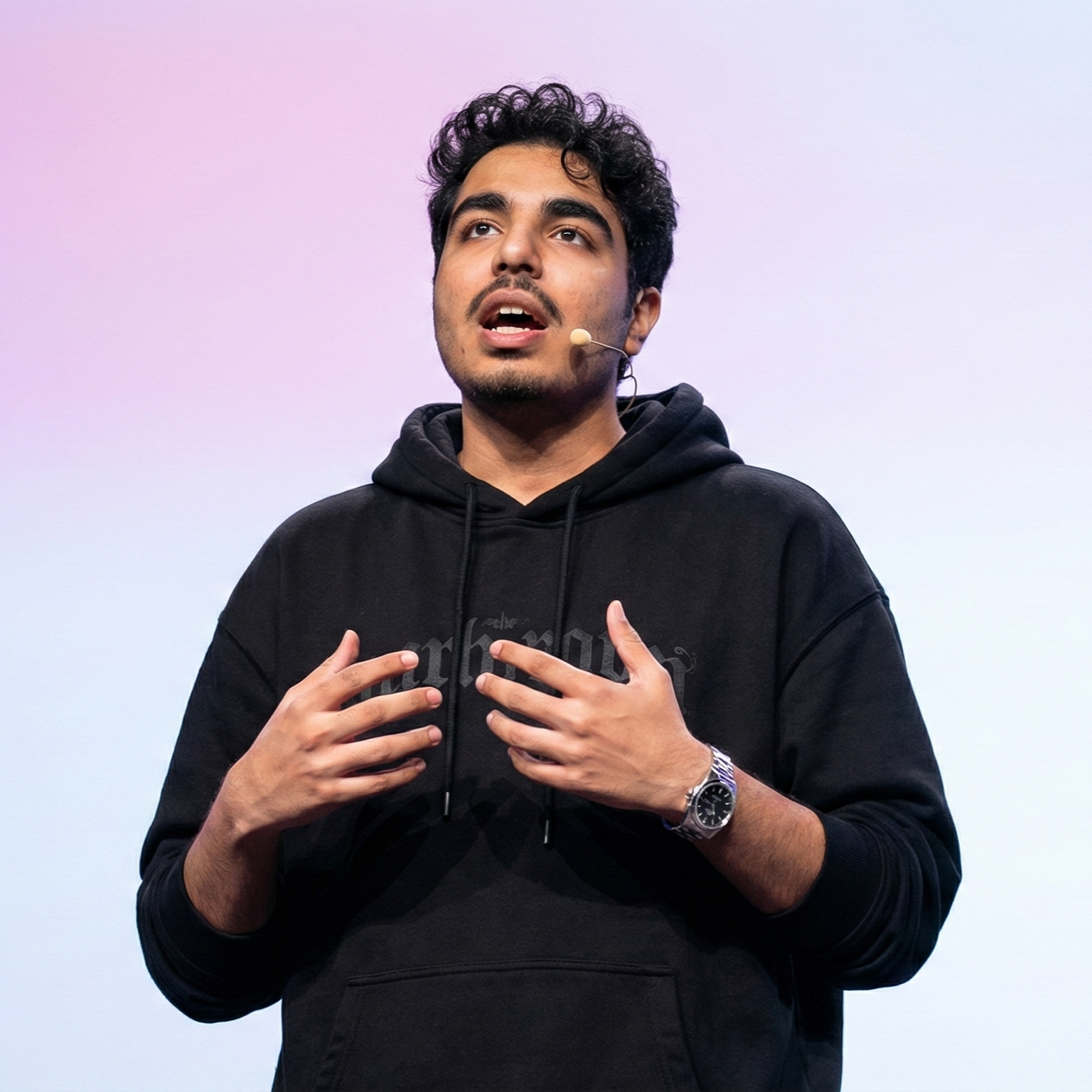
Abhishek co-founded Scriptivox and built its early optimization and scalability layer — the part that turns a working transcription tool into one that holds up under real load. Today he leads growth and marketing at Scriptivox. He writes about transcription accuracy, multi-language coverage, and what it takes to build an AI transcription product that stays fast and reliable as it scales.