You want to grab the text from a YouTube video but clicking "Show transcript" gives you a messy wall of timestamps and broken sentences. YouTube's built-in transcript viewer wasn't designed for actual use outside the platform.
I've tested the main ways to extract YouTube transcripts, from YouTube's native tools to dedicated online transcription software free platforms. Here's what works and when to use each method.
What Is a YouTube Transcript?
A YouTube transcript is the text version of the spoken audio in a video. YouTube auto-generates captions for most uploads using speech recognition, but these automated transcripts often lack punctuation, miss technical terms, and struggle with multiple speakers or accents.
Method 1: YouTube's Built-In Transcript Viewer
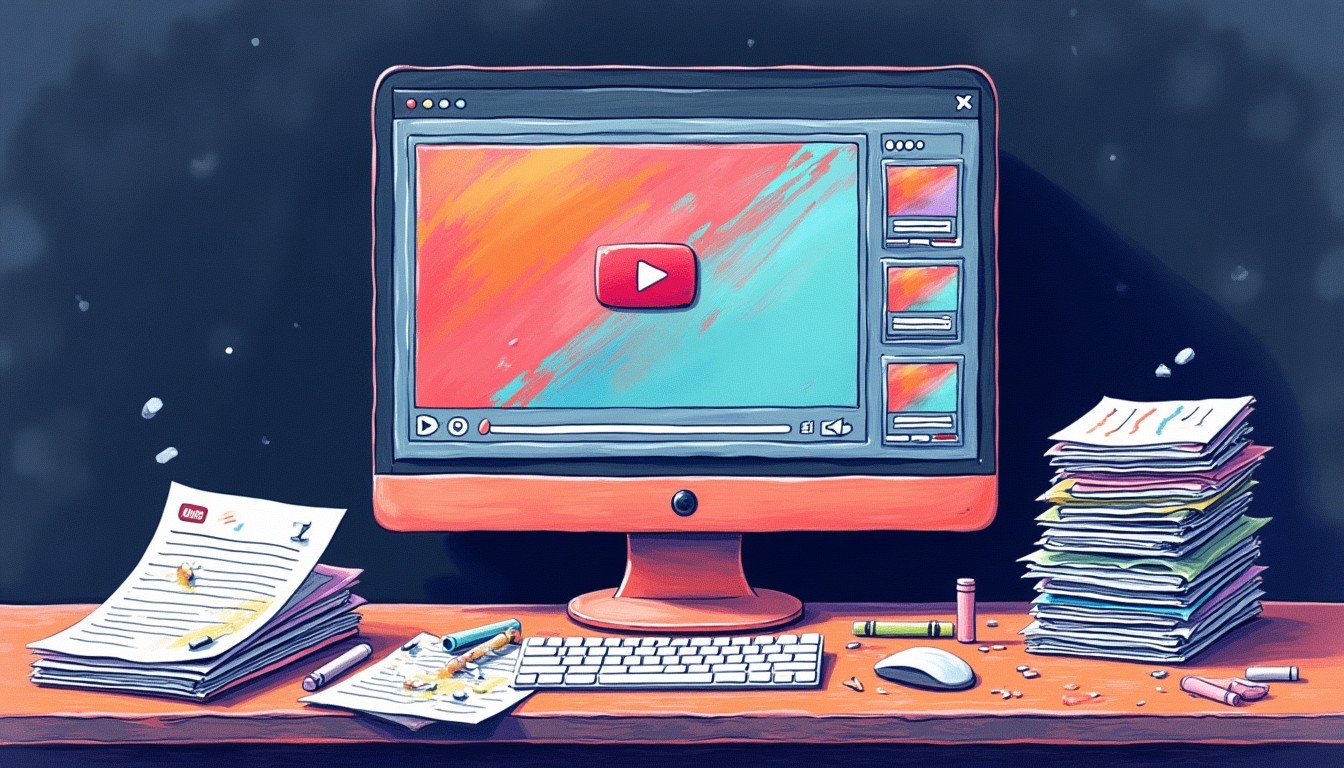
YouTube's native transcript feature gives you quick access to auto-generated captions directly on the platform. It's the fastest option when you need a rough reference but has significant limitations for serious work.
How to Access YouTube Transcripts
- Open the YouTube video in your browser
- Click the three-dot menu below the video player
- Select "Show transcript" from the dropdown
- The transcript appears in a sidebar with timestamps
- Copy text sections manually as needed
This method works for quick fact-checking or finding specific quotes, but the formatting makes it frustrating for longer videos. You'll get text like "0:45 so today we're gonna talk about" with timestamps breaking up every sentence.
When YouTube Transcripts Fall Short
YouTube's auto-captions miss context that humans catch naturally. Technical terms get mangled, speaker changes aren't marked, and punctuation is often wrong or missing entirely. I've seen "AI transcription" rendered as "eye transcription" and "Scriptivox" as "script of ox."
For research, content creation, or professional documentation, you need something more reliable than YouTube's baseline captions.
Method 2: Browser Extensions for YouTube Transcripts
Browser extensions like "YouTube Transcript" for Chrome add a copy-paste layer over YouTube's existing captions. They're convenient for desktop users who want to grab text quickly without leaving the YouTube page.
Using the YouTube Transcript Chrome Extension
- Install the extension from Chrome Web Store
- Navigate to any YouTube video
- Click the extension icon near the video player
- Use the "Copy" button to grab the full transcript
- Paste into your document or notes app
The extension essentially automates the manual copying process from YouTube's transcript viewer. Some versions include AI summarization features that connect to ChatGPT, but these require your own OpenAI API key.
Browser Extension Limitations
Extensions break when YouTube updates its interface, which happens regularly. They also only work on desktop browsers and can't improve the underlying transcript quality. If YouTube's auto-captions are inaccurate, the extension will copy those same errors.
Method 3: Subtitle Download Tools
Tools like DownSub extract existing YouTube captions and let you download them as SRT, VTT, or TXT files. They're useful when you need subtitle files for other platforms or want to avoid manual copying.
How DownSub Works
- Copy the YouTube video URL
- Paste the link into DownSub's input field
- Select your preferred language from available captions
- Choose your file format (TXT for plain text, SRT for subtitles)
- Download the file directly to your device
DownSub can only extract captions that already exist on the video. If the creator hasn't uploaded manual captions and YouTube's auto-generation failed, you'll get nothing.
Method 4: Dedicated Transcription Platforms
When YouTube's auto-captions aren't good enough, platforms like Scriptivox generate fresh transcripts directly from the video's audio. This approach works regardless of existing captions and typically produces more accurate results.
Transcribing YouTube Videos with Scriptivox
- Copy the YouTube video URL
- Create a free account at Scriptivox
- Paste the URL into the transcription interface
- Select the video language (auto-detection works for most content)
- Choose word-level timestamps for precise timing
- Wait 2-4 minutes for processing
- Download your transcript in TXT, DOCX, PDF, or SRT format
I tested this workflow on a 45-minute technical interview with two speakers and heavy jargon. Scriptivox correctly identified both speakers, handled the technical terms that YouTube missed, and produced a clean transcript I could use immediately for research notes.
The speaker identification feature automatically labels different voices, which is crucial for interviews, panels, or any multi-person content. You can rename "Speaker 1" and "Speaker 2" to actual names after transcription.
Why Generate New Transcripts Instead of Using YouTube's
YouTube optimizes for speed and broad coverage across millions of videos daily. Dedicated transcription tools optimize for accuracy and usability. The difference shows up in:
- Punctuation and formatting: Proper sentences instead of run-on text blocks
- Technical vocabulary: Better handling of industry terms, brand names, and acronyms
- Speaker separation: Clear markers for who's talking when
- Export options: Multiple file formats designed for different workflows
- Editing capability: Clean up errors before downloading the final transcript
For content that matters to your work, this accuracy difference is worth the extra 3-5 minutes of processing time.
Choosing the Right Method for Your Workflow
The best approach depends on what you're doing with the transcript:
Quick reference or fact-checking: YouTube's built-in transcript viewer works fine. You're not publishing the text or doing detailed analysis.
Research and note-taking: Use Scriptivox or another dedicated platform. The improved accuracy and clean formatting save time when you're extracting quotes, themes, or key points for analysis.
Content creation and republishing: Generate a new transcript with proper formatting and speaker identification. Auto-captions aren't reliable enough for content you'll publish under your name.
Subtitle creation: If you're adding captions to your own videos or creating subtitles for embedded content, start with a dedicated transcription tool rather than trying to fix YouTube's auto-captions.
Academic or professional work: Human-reviewed transcripts ensure the accuracy needed for citations, legal documentation, or formal analysis.
Most users start with YouTube's free transcript viewer, hit its limitations within a few projects, then switch to a more robust solution. You can test different approaches with Scriptivox's free plan to see which workflow fits your needs without committing to a paid service upfront.
YouTube Transcript Methods Compared
| Method | Best for | Accuracy | File Export | Cost |
|---|---|---|---|---|
| YouTube native | Quick reference | Low | Copy-paste only | Free |
| Browser extensions | Desktop copying | Low | Limited | Free |
| DownSub | Subtitle files | Depends on source | Multiple formats | Free |
| Scriptivox | Professional use | High | All major formats | Free trial + paid |
Frequently Asked Questions
About the author

Arsh co-founded Scriptivox and built the core of what it runs on: the AI models, the API, the meeting bot, and the technical infrastructure that keeps transcripts accurate at scale. He also handles customer support directly, because the people building the product should be the ones talking to the people using it. He writes about real transcription workflows for legal, research, and content teams, grounded in the systems he ships and maintains himself.