You're staring at a 2-hour interview recording, knowing you need every word transcribed by tomorrow. The clock is ticking, and manual typing isn't an option.
The good news? Audio transcription in 2026 offers multiple paths from speech to text, each with different trade-offs for accuracy, speed, and cost. I've tested dozens of tools across free platforms, AI services, and professional options to find what actually works.
What Is Audio Transcription?
Audio transcription converts spoken words in audio or video files into written text, typically including timestamps and speaker identification for easier navigation and reference.
Here are five proven methods to transcribe audio files, ranked by reliability and real-world performance.
1. AI Transcription Platforms
AI-powered transcription platforms deliver the best balance of speed, accuracy, and features for most users. These services use advanced speech recognition models trained on millions of hours of audio data.
I upload a 90-minute podcast interview to Scriptivox and get a complete transcript with speaker labels in under 6 minutes. The word-level timestamps let me jump to any quote instantly, and the AI chat feature summarizes key themes without me reading the full text.
The workflow is straightforward: upload your audio file (MP3, WAV, M4A, or 10+ other formats), select your language from 100 options, and choose whether to auto-detect speakers or specify the count. Most platforms process files up to several hours long and export to multiple formats including SRT for subtitles, DOCX for editing, and JSON for developers.
Accuracy typically ranges from 85-95% on clear audio, with performance dropping on recordings with background noise, heavy accents, or overlapping speech. The best platforms offer speaker identification that labels different voices, making interview transcripts much easier to navigate.
Pricing varies widely. Scriptivox offers a free tier with 3 transcriptions daily and 30-minute file limits, while paid plans start at $10/month for unlimited transcriptions. Competitors like Otter.ai focus on live meeting capture, while Rev emphasizes human review options.
The main limitation is internet dependency. These platforms upload your audio to cloud servers for processing, which raises privacy considerations for sensitive content. Processing time scales with file length, though most complete within minutes rather than hours.
2. Built-in Device Transcription
Most modern devices include basic speech-to-text functionality that works offline and costs nothing. These tools excel at quick voice notes but struggle with longer recordings or multiple speakers.
On iPhone, the Voice Memos app transcribes recordings automatically. Open a memo, tap the transcript icon, and iOS converts the audio using on-device processing. The feature works in over 50 languages and syncs across your devices through iCloud.
Windows users can leverage the built-in dictation feature by pressing Windows + H in any text field. Microsoft Word goes further with its Transcribe feature under Home > Dictate, which can process uploaded audio files up to 5 hours long.
Android devices offer Live Transcribe through Google's accessibility features, providing real-time captions for conversations. Google Docs adds voice typing under Tools > Voice Typing, though it only handles live speech rather than file uploads.
These built-in tools work best for personal note-taking and simple recordings in quiet environments. They're completely free and process everything locally for maximum privacy. However, accuracy drops significantly with background noise, and most lack speaker identification or advanced export options.
The biggest drawback is inconsistent file format support. While some can handle basic uploads, most require you to play audio aloud for live transcription, which reduces quality and convenience.
3. Professional Human Transcription

When accuracy matters more than speed, human transcriptionists deliver 99%+ accuracy with proper context, punctuation, and formatting. Legal firms, medical practices, and academic researchers often require this level of precision.
Professional services employ trained linguists who understand industry terminology, correct grammar issues, and handle complex audio like conference calls with multiple speakers or heavily accented speech. They also provide verbatim transcripts that capture every "um" and pause, or clean verbatim that removes filler words for readability.
Turnaround times typically range from 12 hours to 3 business days depending on length and complexity. Rush orders cost more but can deliver overnight results. Most services offer confidentiality agreements and secure file handling for sensitive content.
Pricing starts around $1-3 per audio minute, making a one-hour recording cost $60-180. This puts professional transcription out of reach for casual users but justifies the cost for high-stakes projects where errors have serious consequences.
Services like Rev, TranscribeMe, and GoTranscript compete primarily on price and turnaround time. Some AI platforms including Scriptivox offer hybrid options that combine AI speed with human review for better accuracy at moderate pricing.
The main trade-off is time versus accuracy. If you need results in minutes rather than days, professional transcription won't work regardless of quality.
4. Speech-to-Text APIs
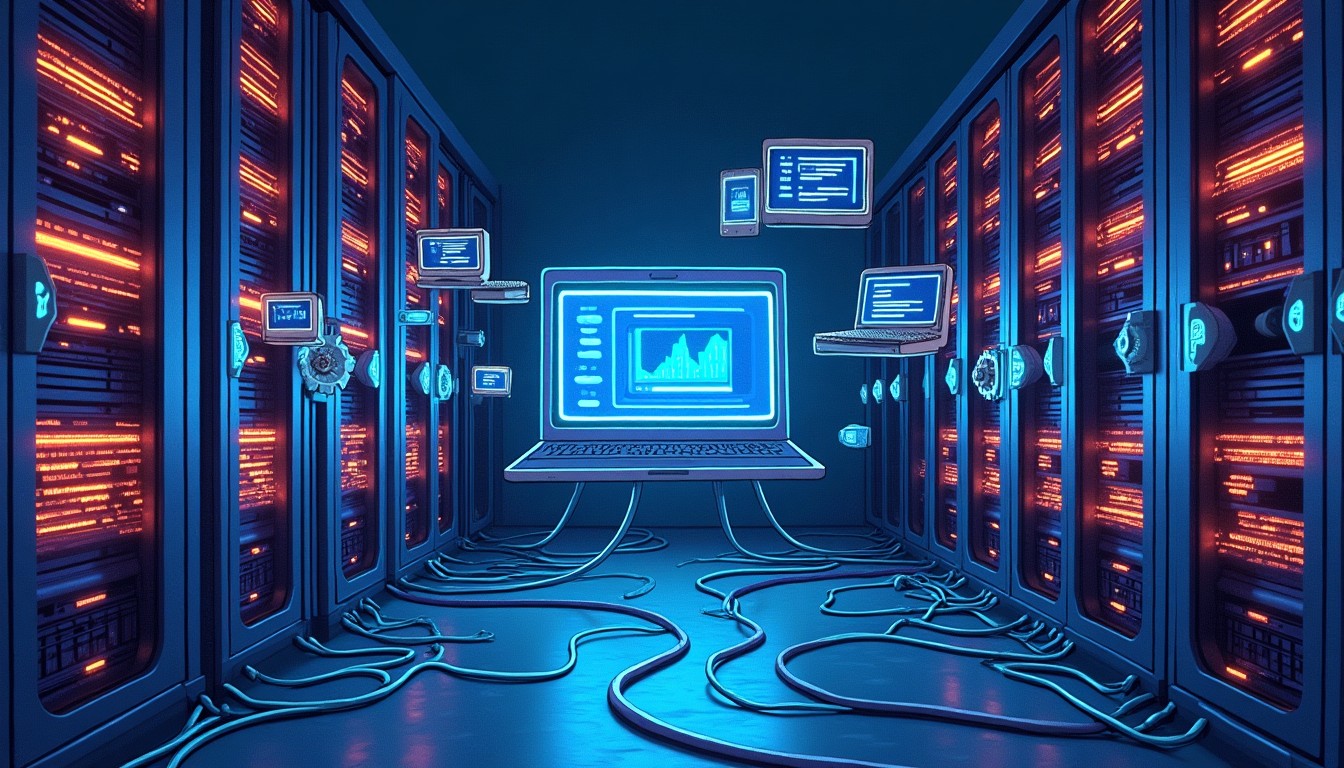
Developers building applications or processing large volumes of audio can integrate speech-to-text APIs directly into their workflows. These programmatic interfaces offer granular control over costs, processing, and data handling.
OpenAI's Whisper API powers many consumer transcription apps and costs $0.006 per minute of audio. Google Cloud Speech-to-Text and Amazon Transcribe offer enterprise features like custom vocabulary and real-time streaming at similar pricing. Scriptivox's API charges $0.20 per hour with webhook support for automated workflows.
APIs excel at batch processing, custom integrations, and automated transcription pipelines. You can trigger transcription when files upload to cloud storage, automatically generate subtitles for video content, or build voice-powered applications that respond to spoken commands.
Most APIs support 50+ languages, speaker diarization, and multiple audio formats. Response times range from real-time streaming to a few minutes for file processing. Authentication uses API keys or OAuth, with rate limits preventing abuse.
The downside is technical complexity. You need programming skills to integrate APIs, build user interfaces, and handle errors gracefully. Most APIs also require separate solutions for file storage, user management, and payment processing.
For developers comfortable with REST APIs and JSON responses, this approach offers the most flexibility and cost control. Non-technical users should stick with web-based platforms that handle the integration work.
5. Open Source Transcription
Open source tools like Whisper, Vosk, and SpeechRecognition give you complete control over your transcription pipeline without recurring costs. These solutions run locally on your hardware, ensuring maximum privacy.
OpenAI's Whisper represents the current state-of-the-art in open source transcription. The models range from tiny (39 MB) for real-time applications to large (1550 MB) for maximum accuracy. Running Whisper locally requires Python installation and some command-line comfort, but produces results competitive with paid services.
Vosk offers lighter-weight models in 20+ languages that run on modest hardware including Raspberry Pi. Mozilla's DeepSpeech provides another option, though development has slowed in favor of newer architectures.
The main advantage is zero ongoing costs and complete data privacy. Your audio never leaves your computer, making this ideal for confidential content. You can also customize models for specific vocabularies or audio conditions.
However, setup requires technical knowledge, and processing times depend on your hardware specs. A 4-core laptop might take 30 minutes to transcribe an hour of audio, while dedicated GPUs can process in real-time. You're also responsible for updates, bug fixes, and troubleshooting.
Open source works best for developers, privacy-conscious users, and organizations with specific compliance requirements that prohibit cloud processing.
Choosing Your Transcription Method
For most users, AI transcription platforms offer the best combination of accuracy, features, and convenience. They handle the technical complexity while delivering results in minutes rather than hours.
Choose professional human transcription only when perfect accuracy justifies the extra cost and time. Legal depositions, medical dictations, and academic interviews often require this level of precision.
Built-in device tools work fine for quick personal notes but lack the features needed for serious projects. APIs suit developers building custom applications, while open source appeals to privacy advocates and technical users.
The fastest path from audio to usable text remains AI platforms like Scriptivox, which combine automated processing with features like speaker identification, multiple export formats, and AI-powered summaries. You can test this workflow free with daily transcription limits before committing to paid plans.
Transcription Methods Compared
| Method | Best For | Accuracy | Cost | Speed |
|---|---|---|---|---|
| AI Platforms | Most users | 85-95% | $10-20/month | 2-6 minutes |
| Built-in Tools | Quick notes | 70-85% | Free | Real-time |
| Professional | Legal/medical | 99%+ | $1-3/minute | 12-72 hours |
| APIs | Developers | 85-95% | $0.006-0.20/minute | 2-6 minutes |
| Open Source | Privacy-focused | 85-95% | Free | 10-60 minutes |
Frequently Asked Questions
About the author

Arsh co-founded Scriptivox and built the core of what it runs on: the AI models, the API, the meeting bot, and the technical infrastructure that keeps transcripts accurate at scale. He also handles customer support directly, because the people building the product should be the ones talking to the people using it. He writes about real transcription workflows for legal, research, and content teams, grounded in the systems he ships and maintains himself.