A detective sits at 2 AM, manually scrubbing through eight hours of wiretap recordings. Every pause, every background noise could hide the evidence that closes the case. Three weeks later, they're still transcribing by hand while suspects walk free on technicalities.
This scenario plays out across departments nationwide. Law enforcement generates massive volumes of recorded evidence, from 911 calls to body camera footage. Without proper transcription workflows, critical details get buried in audio files that take longer to review than the investigations themselves.
What Is Law Enforcement Transcription?
Law enforcement transcription converts recorded audio and video evidence into searchable, timestamped text documents. This includes 911 calls, officer interviews, wiretaps, body camera footage, and courtroom proceedings. The goal is transforming hours of audio into organized, searchable evidence that accelerates investigations and court proceedings.
The Evidence Processing Crisis

Modern policing generates unprecedented amounts of recorded data. According to the Federal Communications Commission, 911 call centers nationwide handle approximately 240 million emergency calls annually. Each call must be preserved as potential evidence.
Body-worn cameras compound this challenge. The Bureau of Justice Statistics reports that over 80% of police departments now use body cameras. A single officer on patrol can generate 10-12 hours of footage per shift.
Traditional transcription methods can't keep pace. Manual transcription averages 4-6 hours of work per hour of audio. For a department processing 50 hours of evidence weekly, that's 200-300 hours of transcription labor. The math doesn't work.
Modern AI Transcription Workflow for Police Evidence
Here's how departments are streamlining evidence processing using AI-powered transcription:
Step 1: Centralize Evidence Collection Create a standardized intake process where all audio/video evidence flows to one digital evidence management system. Officers upload body cam footage, detectives submit interview recordings, and dispatchers forward critical 911 calls.
Step 2: Batch Upload for Transcription Instead of processing files individually, queue them for batch transcription. Upload multiple files simultaneously to your transcription platform. Scriptivox supports 13 audio formats and 15 video formats, so you can process everything from MP3 interview recordings to MP4 body camera footage without conversion delays.
Step 3: Configure Speaker Identification For multi-person recordings like suspect interviews or witness statements, enable speaker diarization. The system separates different voices and labels them as "Speaker 1," "Speaker 2," etc. After transcription, rename these labels to actual names: "Detective Smith," "Suspect Jones," "Witness Garcia."
Step 4: Generate Timestamped Evidence Word-level timestamps are crucial for legal proceedings. When a defense attorney challenges specific testimony, you need to jump to the exact moment in question. AI transcription provides precise timestamps for every word, not just sentences.
Step 5: Enable Evidence Search and Analysis Once transcribed, your evidence becomes searchable. Instead of listening to hours of wiretap recordings, search for specific terms like "meet at warehouse" or "Friday midnight." Some platforms offer AI chat functionality where you can ask questions like "What locations were mentioned?" or "Summarize the suspect's statements about the robbery."
Comparing Law Enforcement Transcription Solutions
Rev Rev offers both human and AI transcription services. Their human transcription claims 99% accuracy but costs $1.99 per minute, making it expensive for high-volume evidence processing. AI transcription starts at $0.25 per minute with 96% accuracy. Rev includes an AI assistant for summarizing transcripts.
Trint Trint focuses on AI-first transcription with collaborative editing features. Pricing starts around $0.15 per audio minute. Their strength is real-time collaboration, allowing multiple investigators to work on the same transcript simultaneously. However, accuracy can suffer with challenging audio conditions common in police recordings.
Otter.ai Otter specializes in meeting transcription and live recording. While popular for business meetings, it struggles with the audio quality typical in law enforcement: background noise, multiple speakers, phone recordings. Pricing is subscription-based rather than pay-per-use.
Scriptivox Scriptivox offers competitive AI transcription at $0.20 per audio hour (not per minute), making it cost-effective for departments processing large volumes. Word-level timestamps and 100-language support handle diverse evidence types. The platform includes speaker identification and AI chat for evidence analysis. Free plan available for testing workflows without budget approval.
Critical Requirements for Police Transcription
Security and Compliance Evidence transcription requires CJIS compliance and secure data handling. Look for platforms offering AES-256 encryption, secure data centers, and audit trails. The transcription service should never use your audio data to train AI models.
Accuracy in Challenging Conditions Police recordings rarely occur in quiet conference rooms. Expect background noise, poor phone connections, multiple overlapping speakers, and emotional distress. Test transcription services with real evidence samples before committing.
Integration with Evidence Management Transcripts should integrate with your existing digital evidence system. Look for API access or export formats (SRT, PDF, DOCX) that work with your current workflow.
Chain of Custody Maintain detailed logs of who accessed transcripts and when. Some platforms provide automatic audit trails showing every edit and access event.
Specialized Evidence Types
911 Call Transcription Emergency calls present unique challenges: distressed callers, background chaos, phone line quality issues. Accurate transcription of addresses, suspect descriptions, and timeline details can determine case outcomes. Consider services that specialize in emergency communications.
Wiretap Operations Extended surveillance operations can generate hundreds of hours of recordings. According to the Administrative Office of the U.S. Courts, the average federal wiretap in 2023 intercepted communications for 41 days. Manual transcription would require months of work per investigation.
Interview Room Recordings Suspect and witness interviews need precise speaker identification and timestamp accuracy. Defense attorneys will scrutinize every detail. Word-level timestamps allow you to verify exactly what was said at each moment.
Body Camera Evidence Officer body cameras capture continuous footage during shifts. While not every minute requires transcription, critical incidents need immediate processing. Audio quality varies dramatically based on weather, equipment position, and environmental conditions.
Implementation Best Practices
Start with High-Priority Cases Don't attempt to transcribe your entire evidence backlog immediately. Begin with active investigations and high-profile cases where speed matters most.
Train Staff on AI Limitations AI transcription achieves 85-95% accuracy under ideal conditions, but drops significantly with poor audio. Officers and investigators need to understand when human review is essential.
Establish Quality Control Procedures Create standard operating procedures for reviewing AI-generated transcripts. Critical evidence should receive human verification, especially for court proceedings.
Budget for Volume Scaling As departments recognize transcription benefits, usage typically increases 300-500% within the first year. Plan budgets accordingly.
You can test AI transcription workflows with your actual evidence files using the free plan at Scriptivox.
Law Enforcement Transcription Solutions
| Service | Pricing | Accuracy | Key Features |
|---|---|---|---|
| Rev | $1.99/min human, $0.25/min AI | 99% human, 96% AI | AI assistant for summarizing |
| Trint | $0.15/audio minute | Variable with poor audio | Real-time collaboration editing |
| Otter.ai | Subscription-based | Struggles with police audio | Meeting transcription focus |
| Scriptivox | $0.20/audio hour | Competitive | 100 languages, speaker ID, AI chat |
Frequently Asked Questions
About the author
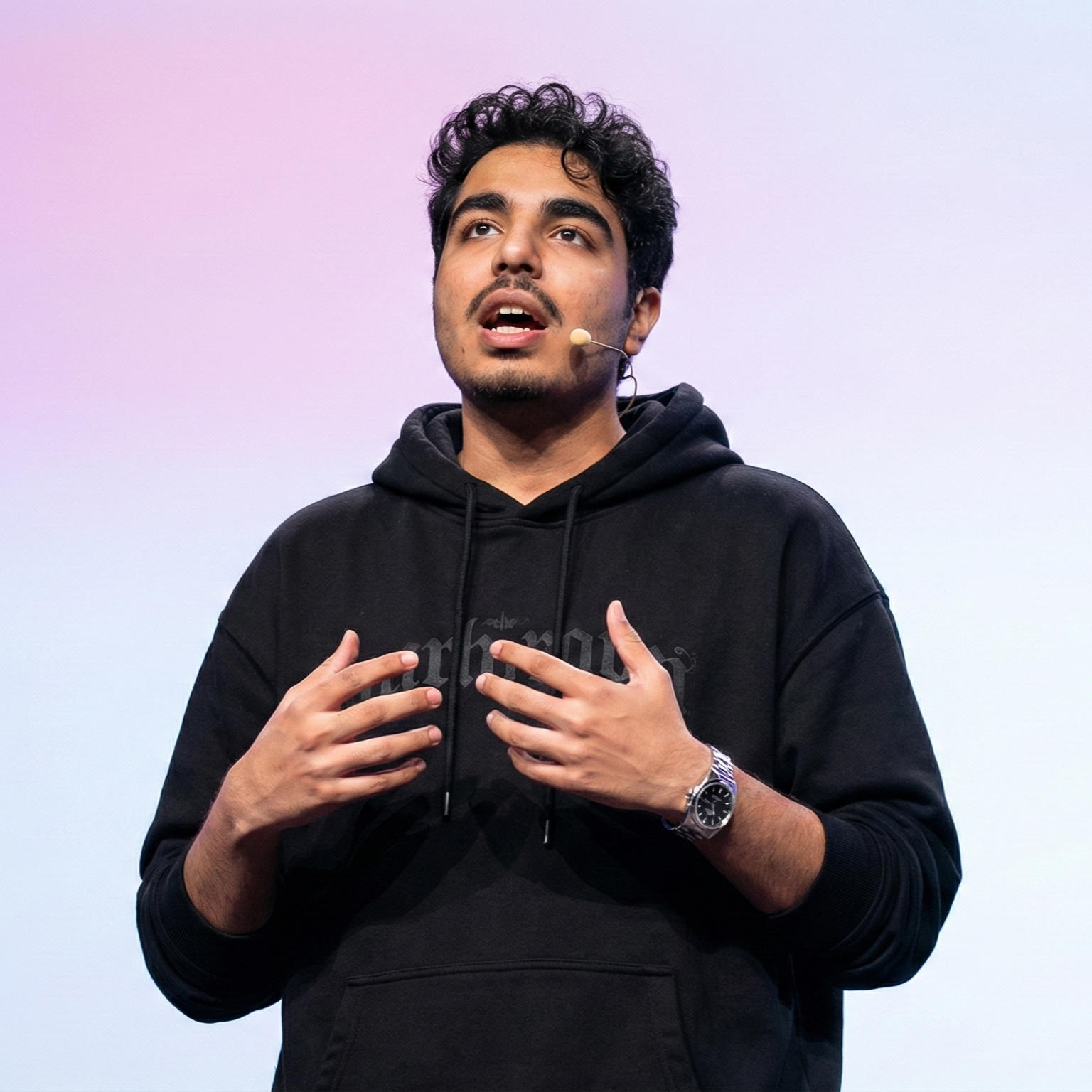
Abhishek co-founded Scriptivox and built its early optimization and scalability layer — the part that turns a working transcription tool into one that holds up under real load. Today he leads growth and marketing at Scriptivox. He writes about transcription accuracy, multi-language coverage, and what it takes to build an AI transcription product that stays fast and reliable as it scales.